
Co‑Producing Climate Information to Strengthen Decision‑Making in Madagascar on WMO Day
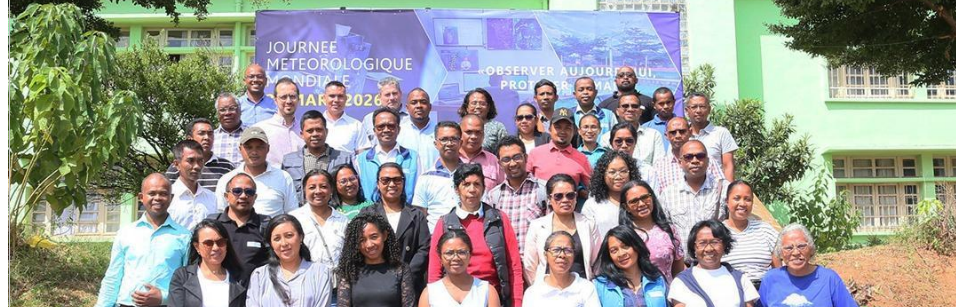
From 23 to 25 March 2026, stakeholders from across Madagascar came together for a three‑day workshop combining the evaluation of the ClimSA programme with a hands‑on co‑production of climate information for priority sectors. The event brought together climate service providers, public institutions, technical services, civil society, media and end users to ensure that climate information truly responds to real decision‑making needs.
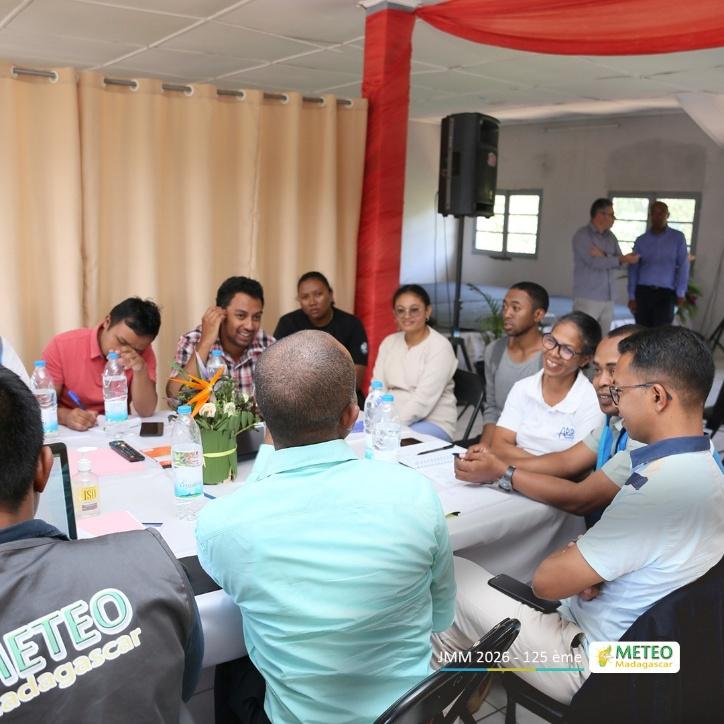
The workshop opened with an official launch celebrating the role of climate services, alongside an evaluation of ClimSA’s achievements. Participants reviewed how climate information is currently used, assessed its relevance and accessibility, and discussed synergies with regional and national initiatives. This first day laid the foundation for improving the value chain for climate services, from production to use.
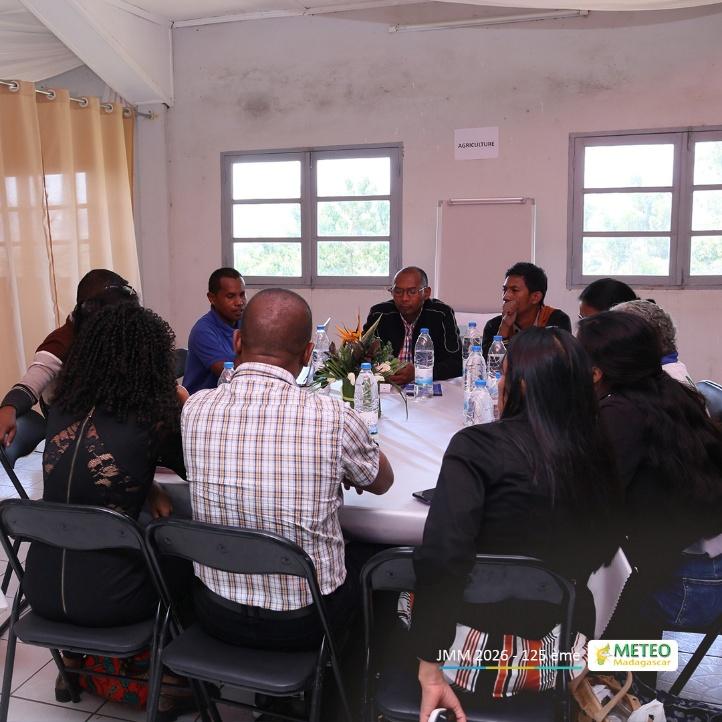
The second and third days focused on co‑production. Working in sectoral groups (disaster risk management, energy, water, health and agriculture), participants identified key climate‑sensitive decisions and translated them into practical information needs. Together, they designed and tested concrete prototypes, including short SMS alerts, mini‑bulletins, local risk maps, radio scripts, and infographics. Simulations based on realistic scenarios (e.g. cyclones, heavy rainfall, dry spells) allowed users to test whether the products were understandable, actionable and trustworthy.
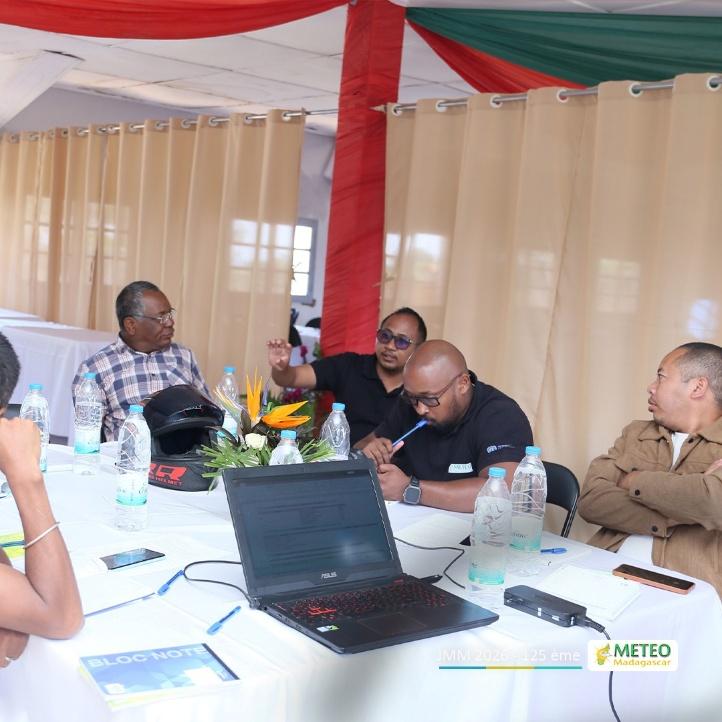
A strong emphasis was placed on local languages, simplicity and usability. Products were designed in Malagasy (with French versions for technical services), using visual codes and clear messages. The workshop concluded with the validation of a 90‑day roadmap, a dissemination plan using radios, SMS and social media, and a feedback mechanism to continuously improve the products.
This workshop marks an important step toward people‑centred, impact‑based climate services that support safer, smarter decisions across Madagascar’s most climate‑sensitive sectors.
Key Outcomes and Added Value for Acacia
Through ACACIA, I was invited to support the DGM team and had the opportunity to attend the engagement in person, the co-production workshop (24-25 March 2026) that brought together a carefully selected group of 4–6 sectoral experts from disaster risk reduction, agriculture, water, health, and energy, alongside the DGM technical leadership team. The workshop was designed as a shared learning and collaboration space, strengthening the operational relevance of climate services through structured dialogue between climate service providers and sector users.
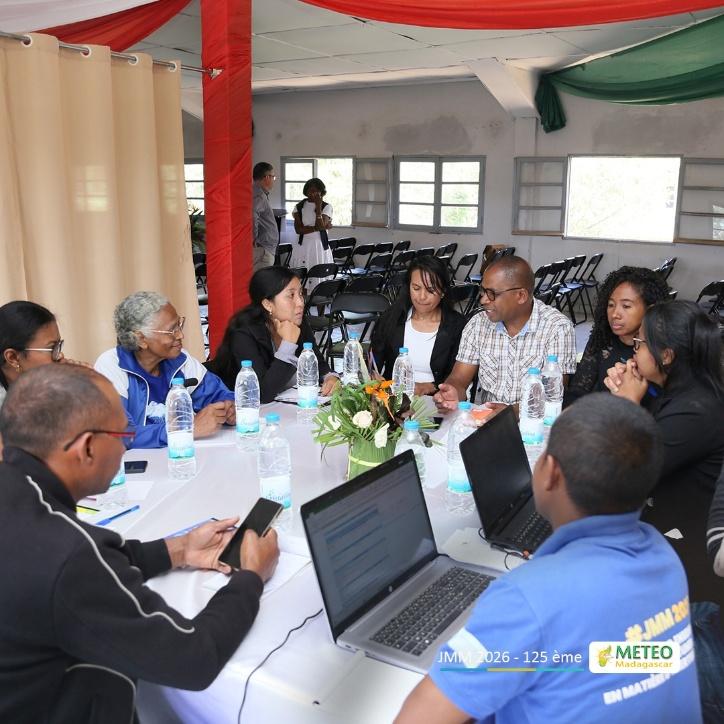
The workshop design allowed for collaborative exchanges. A balanced mix of focused plenary exchanges and extended sector‑based group work enabled participants to jointly explore challenges and co‑develop practical, sector‑specific solutions. Facilitation methods and thematic energisers helped maintain strong engagement, reinforcing a constructive and participatory working atmosphere.
One of the workshop’s key strengths was the high level of expertise and commitment of participants, whose profiles closely aligned with the workshop’s ambitions. Their active engagement was supported by clear coordination from DGM and a shared vision with ACACIA around the value of inclusive, user‑driven climate services. The discussions highlighted that DGM already has a robust co‑production approach, while also jointly identifying opportunities for refinement, including greater diversity in working formats and activities.
As one of DGM’s first structured co‑production initiatives, the workshop successfully nurtured mutual trust, shared ownership, and cross‑sectoral learning. Both DGM and sector experts left with valuable operational insights, strengthened professional relationships, and a strong sense of motivation to continue working together. The workshop also contributed to DGM’s ongoing efforts to build and consolidate long‑term communities of practice around climate information use.
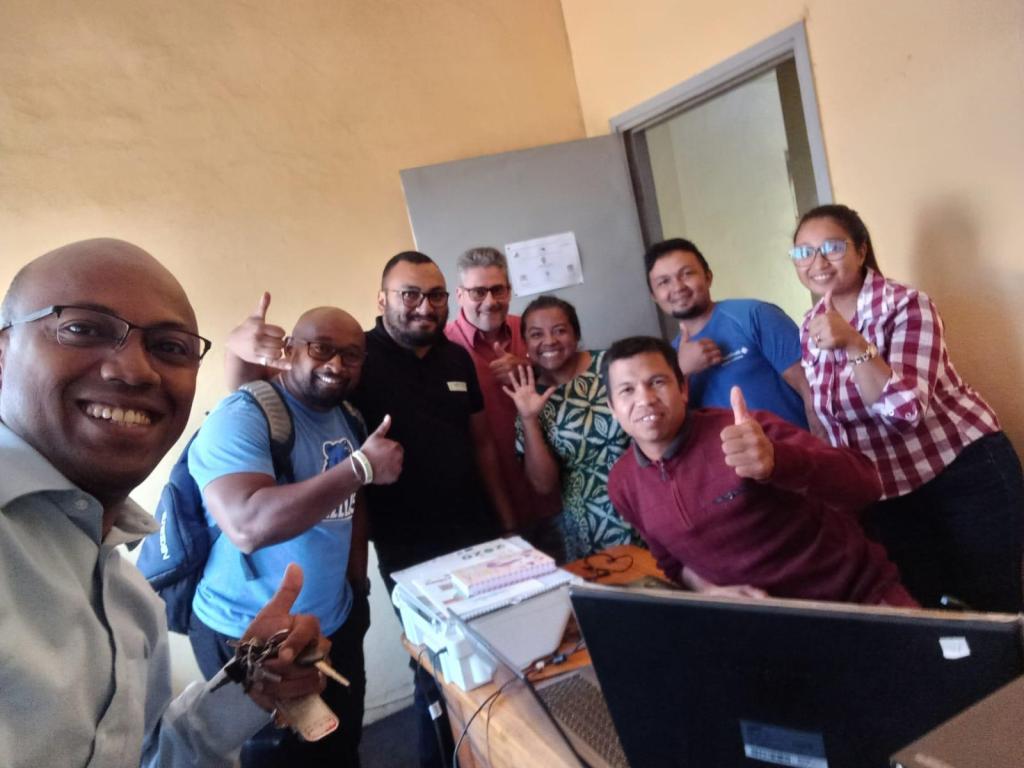
Overall, this activity represents a meaningful step forward in collaborative climate service development, illustrating the added value of partnership between DGM, ACACIA, and sector stakeholders. It demonstrates how joint investment and co‑leadership can translate into more inclusive, relevant, and actionable climate services, laying a strong foundation for sustained cooperation and climate‑resilient decision‑making in Madagascar.
Authors:
O. Crespo (CSAG-UCT) with contribution from:
Luc RANDRIAMAROLAZA (Director General of Meteorology)
Zo RAKOTOMAVO (Director of the Research and Development, Hydrometeorology)
Mamiarisoa Anzelà RAMAROSANDRATANA (Head of the Climate Variability Service)
Marie Antonio RATOVOHASINA NIANJARA (Head of the SOFIA Regional Service)
Harivao Joëlson NY FANOMEZANTSOA (Co-Lead of Evaluation)
Marius RAMANDIMBISOA (Application Lead)
Ferdinand RAFANOMEZANTSOA (Operations Lead)
Henintsoa ZOARIMAMY (Evaluation Lead)
Initial draft prepared with AI assistance and subsequently reviewed, edited, and finalized by the authors.


Leave a Reply