
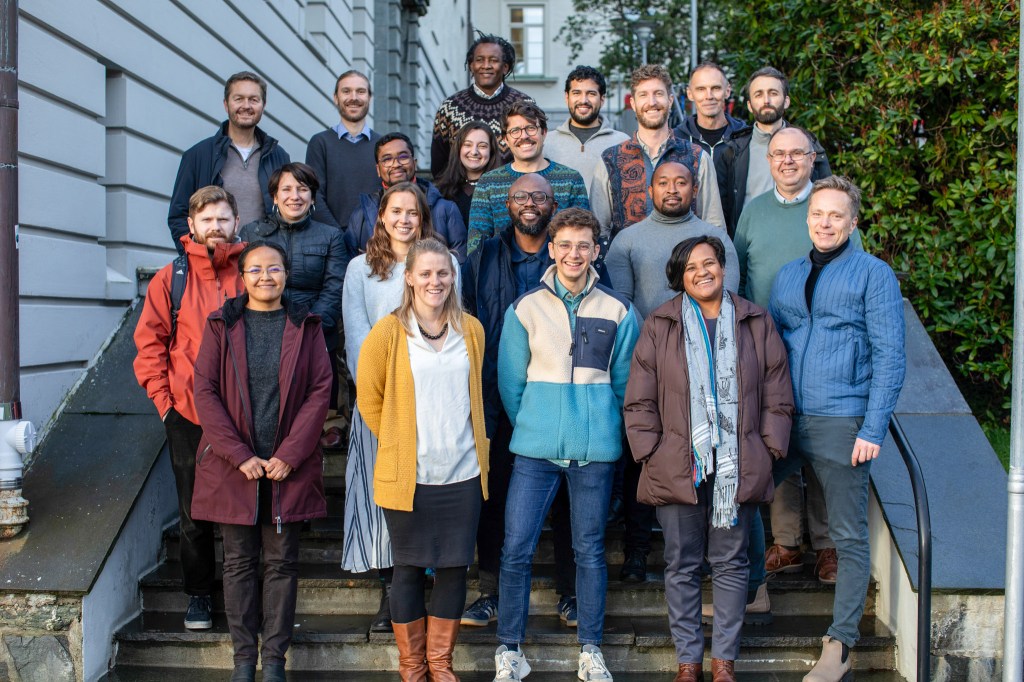
by Thomas Hovmøller Ris (NORCE) and Erik Kolstad
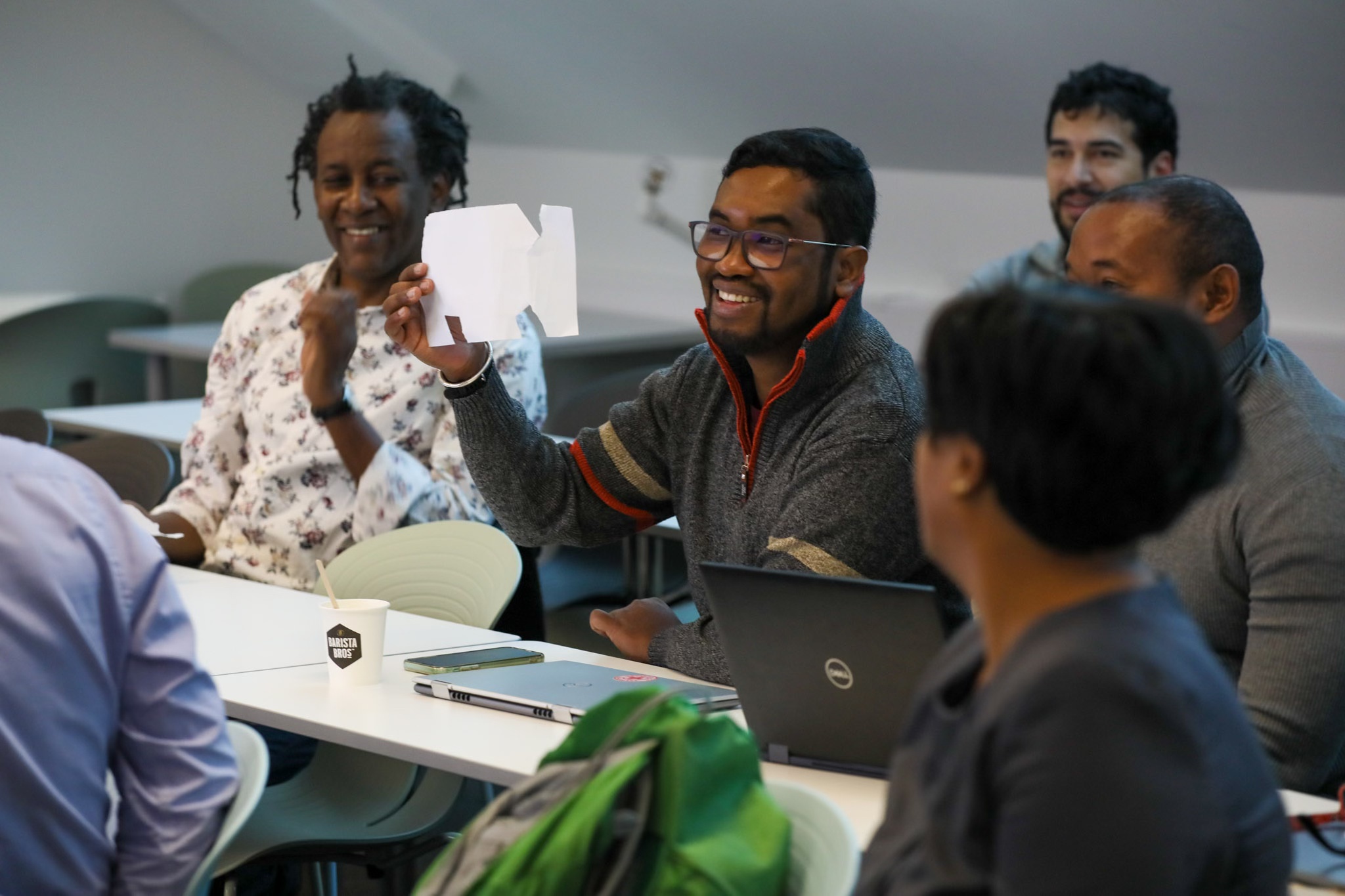
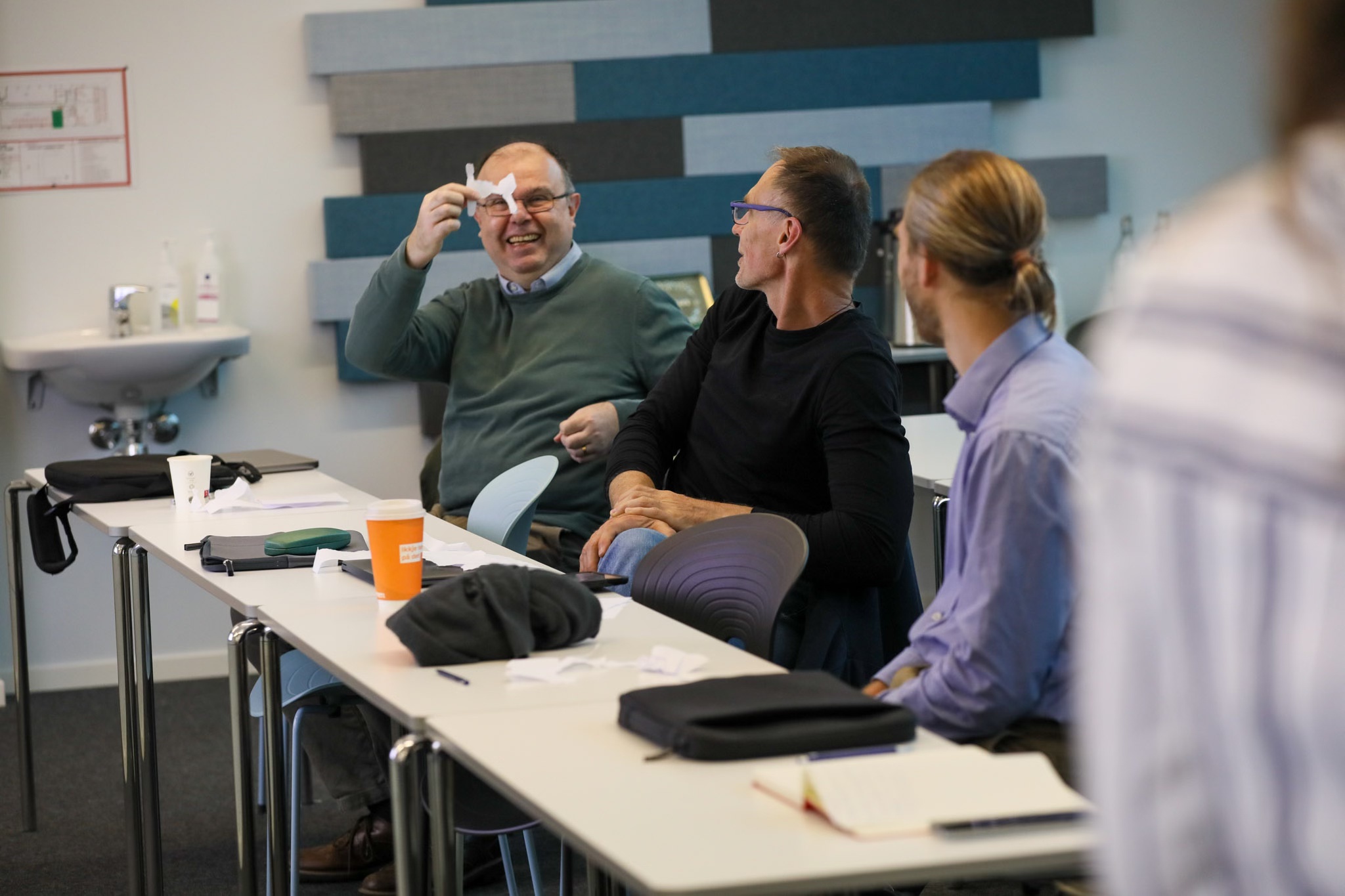
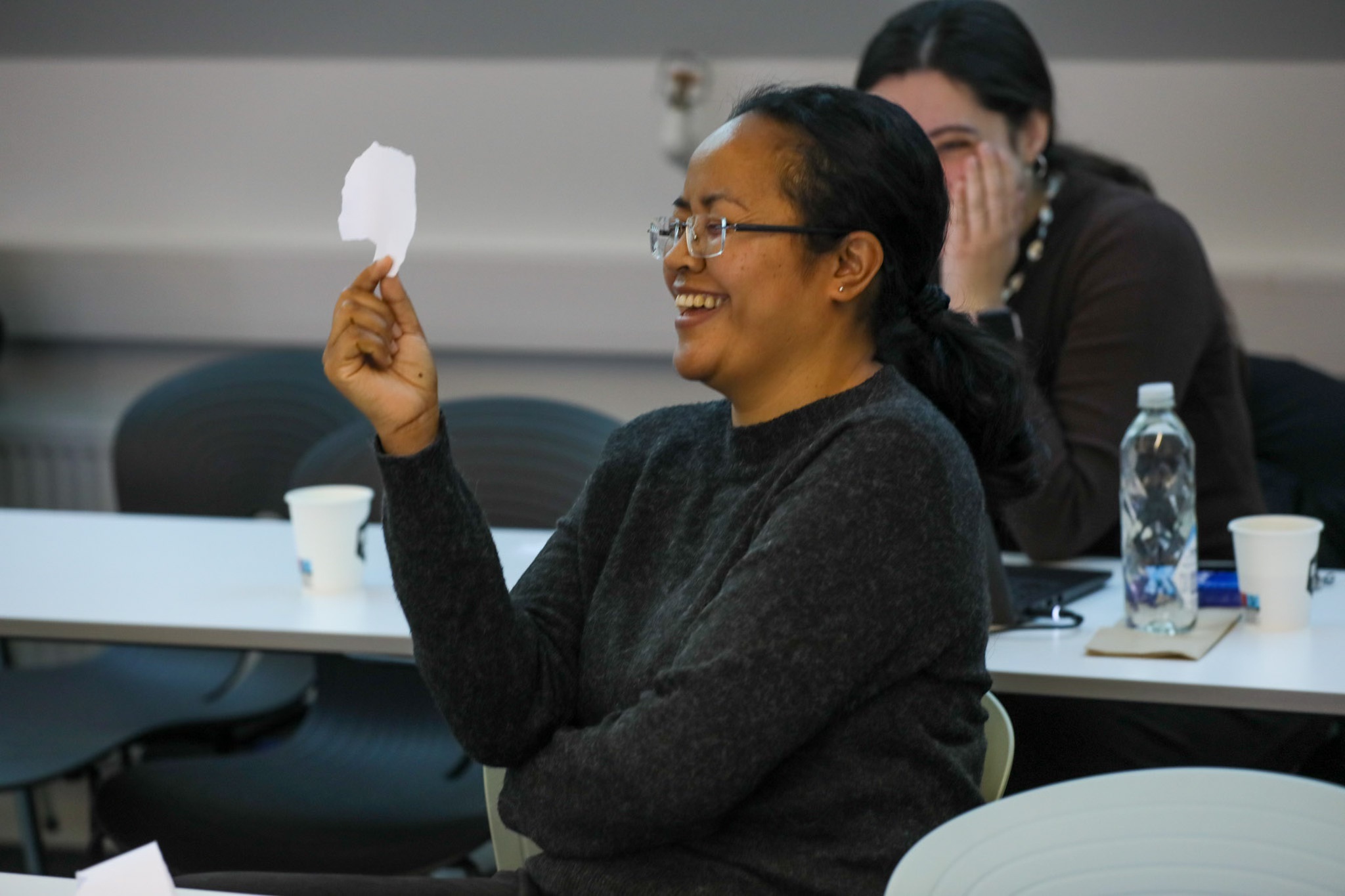
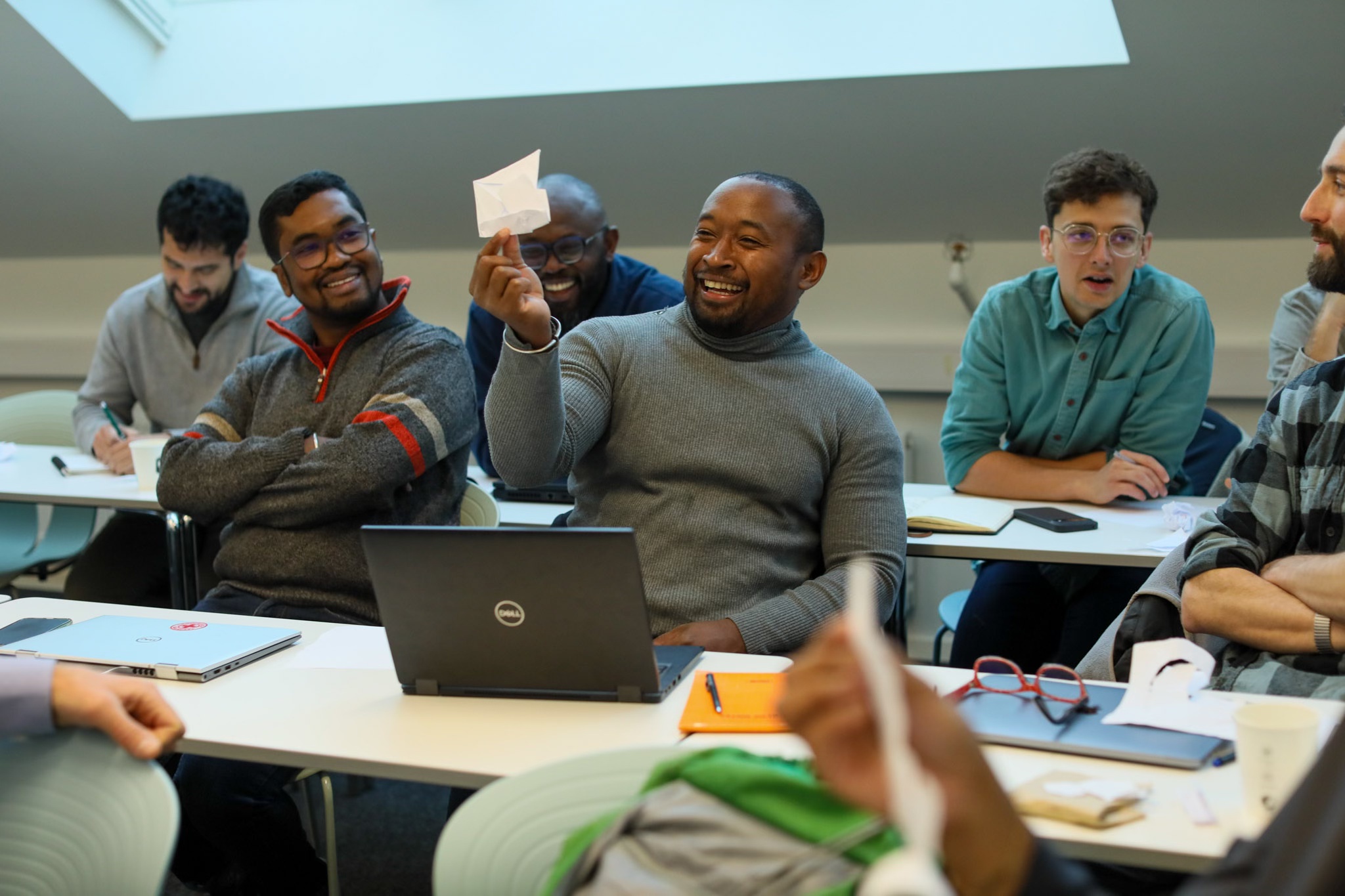
A crocodile, an elephant, and a giraffe. You think Africa. So did many of the members of the ACACIA project when they – as an icebreaker – created animals out of pieces of paper with both hands behind their back. This might not come as a surprise since ACACIA is an abbreviation for ‘Anticipatory Climate Adaptation for Communities in Africa’.
The article continues below the image gallery.













Things got more serious when Alessia Pietrosanti, the European Commission project officer for the ACACIA project, took the floor.
– Competition was tough for this project so make sure to make the best of it, she said in her presentation.
Project officers from the EU rarely take part in kickoff events, but Pietrosanti travelled to Bergen to make it clear that the European Union is investing heavily in African climate projects in the years to come.
– Don’t forget the end-users, the ones who really depend on better climate services to enhance resilience against the next floods or tropical cyclones, she urged the researchers.
The need for enhanced climate resilience becomes increasingly critical in a world where climate changes are impacting people’s everyday life, particularly for vulnerable communities in the Global South.
– In the ACACIA project we want to bolster the resilience of at-risk communities in Sub-Saharan Africa, especially against climate impacts like floods and tropical cyclones, says Jesse Schrage, an expert on climate governance in NORCE.
– By improving the ways climate services are produced, communicated, and utilised, we aim to facilitate both short-term and long-term decision-making for these communities.
The researchers will concentrate on specific climate-related threats: rainfall-driven floods in East Africa, particularly Ethiopia, and floods and tropical cyclones in Madagascar. Part of the plan is to learn from the handling of past climate events, such as the devastating cyclone ‘Emnati’ that hit Madagascar in March 2022.
ACACIA is a follow-up to several past initiatives, including CONFER, FOCUS-Africa, WISER, African SWIFT, and Future Climate for Africa, and will bring together partners from these initiatives. The EU project CONFER was led by NORCE and ended on 20 September 2024. ACACIA started the day after, on 1 October.
– With the beginning of the ACACIA project, we continue to lead at climate projects in Africa funded by the EU’s Horizon programme. We learnt a lot in CONFER, and by integrating lessons and methodologies from this and other initiatives, we hope to be able to co-create more robust and locally relevant climate services with our African partners. Our experts on climate governance will play a big role in this, Erik Kolstad, the project leader from NORCE says.
Both Kolstad and Schrage are experienced in climate projects in Africa. Kolstad led the CONFER project and Schrage has especially been involved in projects in the French-speaking East African countries like Djibouti and Burundi since he is fluent in French. Schrage’s Ph.D. focused on the governance of reducing emissions in Nordic cities, examining the details that led to ambitious climate plans through the concerted efforts of bureaucrats and civil servants.
– This experience highlighted the importance of collective community action, an approach that will be important for the impact of climate adaptation in East Africa, he says.
Some of the most significant barriers the ACACIA project aims to overcome is that information on climate services is inaccessible, irrelevant to the local context, or poorly communicated. The consequence can be less effective climate adaptation and disaster risk reduction efforts.
– From other African projects, we know that different government actors require different information at different times. And some government actors want everything to go through them. Additionally, we cannot make one service that every country can use at the same time. We are creating a repertoire – a toolbox – with climate services that can be used for climate adaptation, Scott Bremer, a governance expert from NORCE says.
One of the main focuses in the project is making climate information more accessible, understandable, and actionable. Here, Schrage emphasizes a two-stage approach.
– We must engage with local communities to understand their existing strategies for coping with climate events and then tailoring climate services to local languages and contexts. Trust and credibility are critical—without them, early warnings, no matter how accurate, may not be paid attention to.
ACACIA will work directly with a variety of community groups, including farmers, fishers, and local decision-makers.
– The aim is to build ‘communities of practice’ where locals regularly meet to discuss adaptations and strategies, offering feedback that can refine and improve climate services over time, explains Schrage.

 ACACIA (Horizon Europe)
Leave a comment